
Back-to-School Anxiety: How Parents Can Help

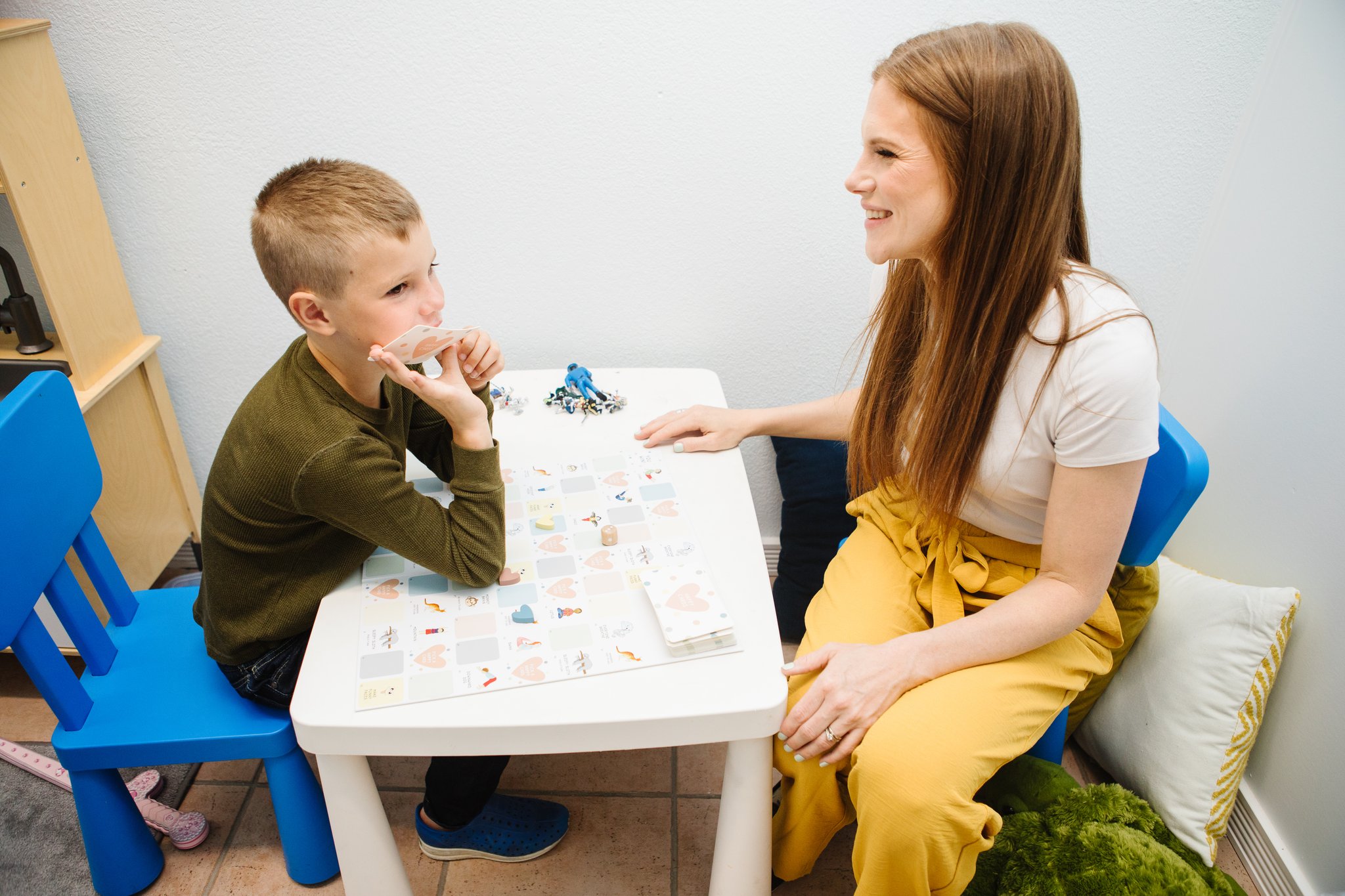
When Your Child Is Anxious About Going Back to School
Practical ways to support your child before the first day and throughout the transition
The weeks before a new school year can bring a surprising amount of anxiety. A child who seemed relaxed all summer may become clingy, irritable, tearful or full of questions. Some children talk openly about being worried, while others complain of stomach aches, struggle to sleep or insist that they do not want to go. These reactions can be difficult to interpret, especially when a child cannot explain what feels wrong.
Back-to-school anxiety does not automatically mean that something is seriously wrong. School brings separation, uncertainty, social demands and a major change in routine, so some children need time and support to adjust. The goal is not to remove every anxious feeling before the first day. It is to help your child prepare for the uncertainty and learn that they can move through anxiety without letting it make every decision.
Start by figuring out what the worry is really about
When a child says, "I do not want to go to school," they may be worried about separating from you, finding their classroom, making friends, keeping up with the work, using the bathroom or not knowing who will help if they feel overwhelmed. Asking, "Why are you anxious?" can feel too big for a child who does not yet have the words to explain it. Try asking during a low-pressure moment, "Which part of the school day feels hardest to picture?" or "If you could change one thing about the first day, what would it be?" Younger children may find it easier to draw the school day or tell you what a stuffed animal might be worried about. Once the fear is more specific, your plan can be more useful.
Validate the feeling without agreeing that school is unsafe
Parents often move quickly into reassurance because they want their child to feel better. Statements such as, "There is nothing to worry about," or "You will be fine," are loving, but they can leave a child feeling misunderstood. Try combining warmth with confidence by saying, "I can see that the first day feels uncertain, and I know you can handle it with support." You could also say, "It makes sense that you wish you already knew your teacher. We can plan how you will ask for help." Children do not need a promise that nothing uncomfortable will happen. They need to know that uncomfortable feelings can be managed and that trusted adults will help them.
Make the unfamiliar more familiar
Anxiety grows when a child has to imagine a situation without enough information. If possible, visit the school, walk past the entrance, find the drop-off location and look for the playground. A child starting somewhere new may benefit from seeing the office, washroom or place where they will be picked up. You can also practise packing the backpack, opening lunch containers and saying goodbye at the door. If separation is the main concern, arrange brief periods apart with a familiar caregiver and return when you said you would. Repetition lets your child experience the routine while their body is calmer, making it easier to follow the plan on the real day.
Return to school rhythms gradually
A sudden shift from flexible summer days to early mornings can make anxiety feel much bigger. One or two weeks before school begins, start moving bedtime and wake-up time toward the school schedule. Prepare the night before by choosing clothes, packing the backpack and deciding what breakfast will be. A younger child may benefit from a picture schedule showing the order of getting dressed, eating, brushing teeth and leaving, while an older child may prefer a checklist. The purpose is not to create a perfect morning. It is to reduce the decisions and negotiations that happen when everyone is already under pressure.
Create a plan for the hardest moment
Advice to "take a deep breath" is difficult to use when a child is already panicking, so connect coping skills to a specific moment. Ask when they expect the worry to feel strongest, then decide what they can do first, who they can approach and what they can say. A child who is nervous about entering the classroom might plan to hang up their backpack, find a familiar classmate and begin one predictable activity. A child who fears becoming overwhelmed could practise saying, "I am feeling nervous and need help getting started." Keep the plan short enough to remember and practise it several times. Coping does not mean anxiety never appears. It means your child knows what to do when it does.
Keep goodbyes warm, brief and predictable
When a child is distressed at drop-off, parents naturally want to stay until the child feels calm. A long and uncertain goodbye can make separation harder because the child keeps waiting to see whether the plan will change. Decide in advance what the goodbye will look like and keep it consistent. You might offer a hug and say, "I know this is hard, your teacher will help you get started, and I will see you after school." If possible, arrange for a school adult to meet your child and involve them in a simple job or activity. Your child can feel upset while you remain warm and confident about the separation.
Work with the school before the anxiety becomes a crisis
Let the teacher or school support staff know what your child is experiencing and what tends to help. Be more specific than simply saying that your child has anxiety. Explain that they become quiet when overwhelmed, ask to visit the washroom repeatedly or need a clear first task after arriving. A small plan for greeting, seating, check-ins or transitions can prevent anxiety from escalating. The Canadian Paediatric Society also recommends helping school staff understand that anxiety can sometimes look avoidant or oppositional. The plan should support participation rather than remove every uncomfortable situation. Home and school can acknowledge that the transition is hard while helping the child take the next manageable step.
Be careful not to let avoidance become the long-term plan
Avoiding school usually lowers anxiety in the moment, which can make staying home feel like the obvious solution. The relief can also teach the brain that avoidance was necessary for safety, making the next return feel harder. This does not mean forcing a highly distressed child through the door without understanding what is happening. Concerns such as bullying, learning difficulties or sensory needs must be addressed while everyone continues working toward participation. If your child has started missing school, involve the school and a mental health professional early. A gradual return may help, but it needs clear steps and regular review. Anxiety can cause real headaches or stomach aches, although new, severe or persistent symptoms should also be discussed with your child's healthcare provider.
Know when it is time to seek additional support
Some nervousness is expected, particularly during a transition to kindergarten, middle school or a new school. Extra support may be helpful when anxiety is intense, continues beyond the adjustment period or begins interfering with sleep, eating, friendships, family life or regular attendance. Frequent physical complaints, panic, prolonged distress at separation and school refusal are also signs that it may be time to speak with a professional. A child therapist can help your child understand anxiety, build coping skills and face feared situations with support. Parent education therapy can help you respond to avoidance, reduce morning conflict and create a plan that fits your child's needs.
How Couples to Cradles Can Help
If back-to-school anxiety is affecting sleep, mornings, family life or attendance, our child therapists can work directly with your child on confidence and coping skills, while our parent education therapists can help you respond to avoidance and create a practical plan with the school. Book a free 20-minute consultation with Couples to Cradles Counselling to talk through what is happening and decide which support fits your family.

How to Get Started
Have some questions? Not sure if you are ready and you want some more info?
You can text us at 403-715-3319, e-mail hello@couplestocradles.com or send us a message below to get in touch with us. You will hear back from us in less than 24 hours. If you have questions, please submit your message via our contact form or call us. We’re here to help!
-(1)-(1).png)
Book a Free Consultation
During the 20 minute free consultation you can connect with a Lethbridge therapist who will answer your questions.
Book an Appointment
If you are a returning client or just ready to dive in and book your first session click below.